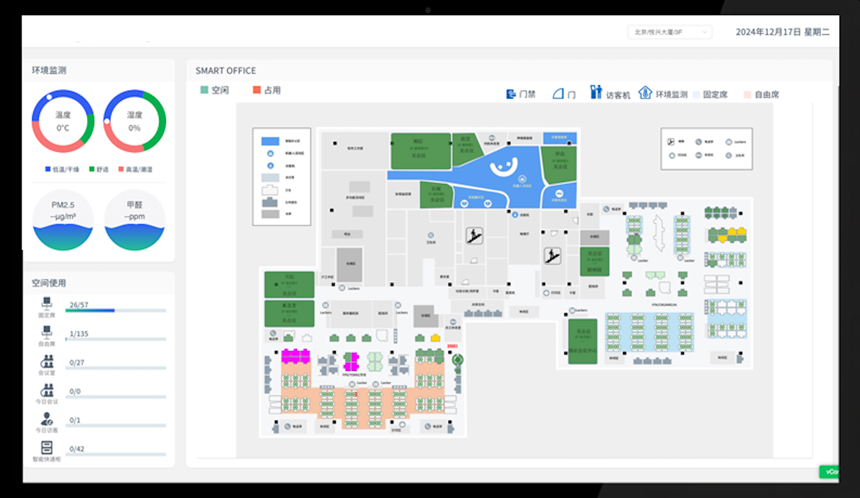
Optimize Workspace Resource Allocation and Improve Space Utilization EfficiencyBy analyzing workstation reservation statistics, companies can accurately understand employee office hour demands, departmental usage differences, idle patterns, and other behavioral characteristics. Based on the data, organizations can dynamically optimize workstation layouts, consolidate idle workstations, adjust resource allocation, and precisely accommodate diverse scenarios such as temporary office work, cross-departmental collaboration, and flexible working arrangements. This effectively enhances overall office space utilization and achieves optimal resource allocation.Standardize Office Order and Reduce Corporate Management CostsA comprehensive workstation reservation data system enables standardized management of the entire process—reservation, usage, and release—eliminating issues such as unauthorized occupation of workstations, malicious holdovers, and no-show reservations, thereby maintaining office order. Meanwhile, automated digital statistics replace repetitive tasks like manual registration and inventory counting, effectively reducing administrative labor costs. By using data to predict traffic and usage demand, potential supply–demand conflicts regarding workstations can be proactively avoided, reducing office disputes and significantly improving management efficiency.Optimize Employee Office Experience and Enhance Team ProductivityA standardized workstation reservation process allows employees to quickly reserve available workstations as needed, reducing time lost in searching for or competing over desks. Companies can leverage data analytics to understand employee office preferences, tailor the ratio of workstation types, and improve area-specific amenities to precisely match different scenarios—such as independent work or team collaboration. This enhances office comfort and convenience, further activating team productivity.

 WeChat